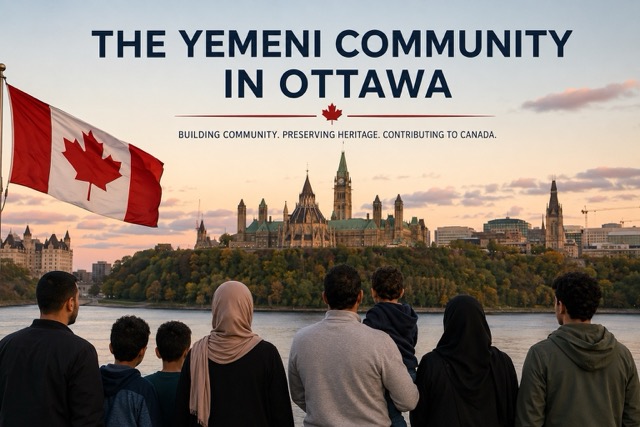
Ottawa is home to people from nearly every part of the world, and among its growing cultural communities is a small but increasingly organized Yemeni-Canadian population. Although the history of Yemenis in Ottawa has not been documented as extensively as that of some larger immigrant communities, their presence in the capital has become more visible through family networks, community organizations, cultural gatherings and newcomer-support initiatives.
The story of Yemenis in Ottawa is largely a story of gradual settlement. Early Yemeni residents arrived in Canada for different reasons, including education, employment and family reunification. Some were attracted to Ottawa by its universities, government institutions, professional opportunities and established Arab and Muslim communities.
Over time, individual families brought relatives, formed friendships and created informal support networks. These connections were especially important for newcomers learning how to navigate housing, employment, education, health care and other parts of life in Canada.
## Growth During a Difficult Period
The Yemeni population in Ottawa grew more noticeably as conditions in Yemen became increasingly unstable. Years of political unrest, economic hardship and conflict pushed many Yemeni families to seek safety and stability abroad. Canada became home to students, professionals, permanent residents and refugees who hoped to rebuild their lives while remaining connected to their country of origin.
According to the 2021 Census, 985 Ottawa residents reported Yemeni ethnic or cultural origins. Census figures do not necessarily capture every person with Yemeni roots, particularly those who identify more broadly as Arab, Canadian or with multiple backgrounds, but the number provides a useful picture of the community’s size at that time.
Compared with some of Ottawa’s larger cultural communities, the Yemeni population remains relatively small. Its influence, however, cannot be measured by population alone. Yemeni residents work, study, operate businesses, volunteer and raise families across the National Capital Region.
## From Informal Networks to Community Organization
Like many newer immigrant communities, Yemenis in Ottawa initially depended heavily on personal relationships. Families helped one another find apartments, understand government paperwork, register children for school and locate employment.
As the population expanded, the need for more formal community structures became clear. Local initiatives now aim to connect Yemeni residents, preserve their cultural identity, advocate for community needs and provide useful resources to people settling in Ottawa.
The Yemeni Community Ottawa organization describes its role as supporting the community through advocacy, resources and cultural preservation. Its stated goal is to bring Yemenis together while helping them contribute to Ottawa and Canada’s multicultural society.
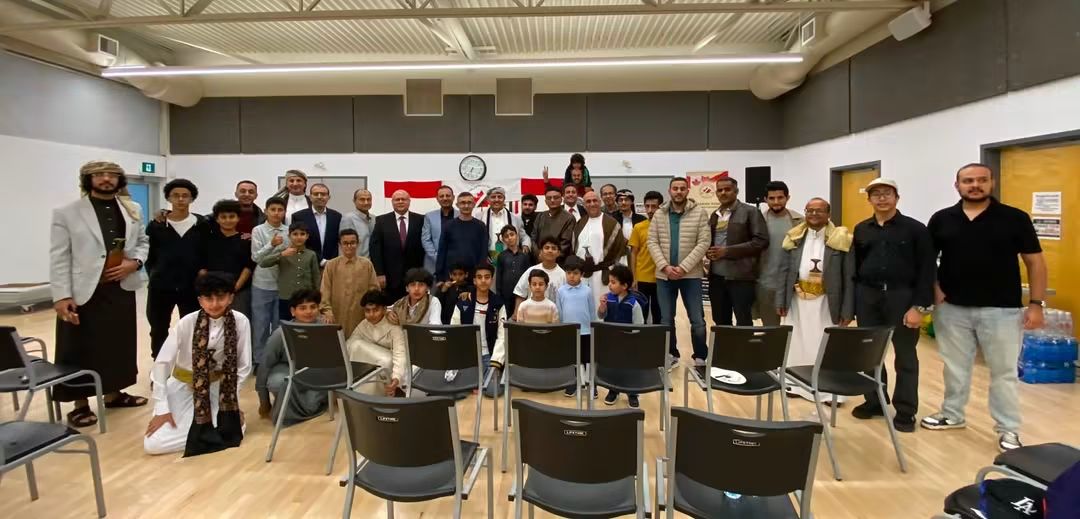
Community development does not happen only through official organizations. It also takes place through family gatherings, volunteer work, religious institutions, social media groups and informal assistance between neighbours. These networks help newcomers feel less isolated and give established residents a way to support those arriving after them.
## Preserving Yemeni Culture
For Yemeni families in Ottawa, preserving culture is an important part of building a life in Canada. Yemen has a deep and diverse history shaped by ancient civilizations, regional traditions, trade, poetry, architecture and distinctive social customs.
Cultural identity is often maintained through food, clothing, music, language and family gatherings. Traditional dishes such as saltah, mandi, fahsa, bint al-sahn and Yemeni breads are prepared at home and shared during celebrations. Coffee also carries particular significance because Yemen played an important historical role in the global coffee trade.
Arabic remains central to many Yemeni households, although Yemeni children growing up in Ottawa often move naturally between Arabic, English and sometimes French. Parents may encourage their children to maintain Arabic while also becoming fully involved in Canadian schools and society.
Religious and cultural celebrations, particularly Ramadan and Eid, bring families together. Ottawa’s mosques and Muslim community centres also provide spaces for worship, education, meetings and social activities. The Ottawa Main Mosque, established by an organization incorporated in 1964, has long served as both a place of worship and a broader community centre for Muslims in the city.
## A New Generation of Yemeni Canadians
The younger generation is shaping a distinct Yemeni-Canadian identity. Many young people feel connected to Yemen through their parents, language, food and family history, even when they were born or raised in Canada.
Their experience is different from that of the first generation. They attend Canadian schools, build friendships across cultural backgrounds and participate in the wider social and professional life of Ottawa. At the same time, many want to better understand their Yemeni heritage.
Community events can help close the gap between generations. Cultural nights, youth activities, storytelling, traditional music and heritage programs give young people opportunities to learn about Yemen in a positive setting. Similar Yemeni cultural initiatives in Ontario have emphasized the importance of celebrating heritage and strengthening ties between generations.
The challenge is not simply to preserve the past exactly as it was. It is to create a living identity that allows young Yemeni Canadians to be proud of their heritage without feeling separated from Canadian society.
## Challenges Facing the Community
Growth has brought progress, but the community continues to face challenges. Newcomers may struggle with employment recognition, language barriers, housing costs and unfamiliar government systems. Families arriving from conflict-affected areas may also be separated from relatives who remain abroad or are waiting through lengthy immigration processes.
Another challenge is the limited public understanding of Yemen. News coverage often focuses almost entirely on war, poverty and humanitarian crisis. These issues are real, but they do not represent the full history or identity of the Yemeni people.
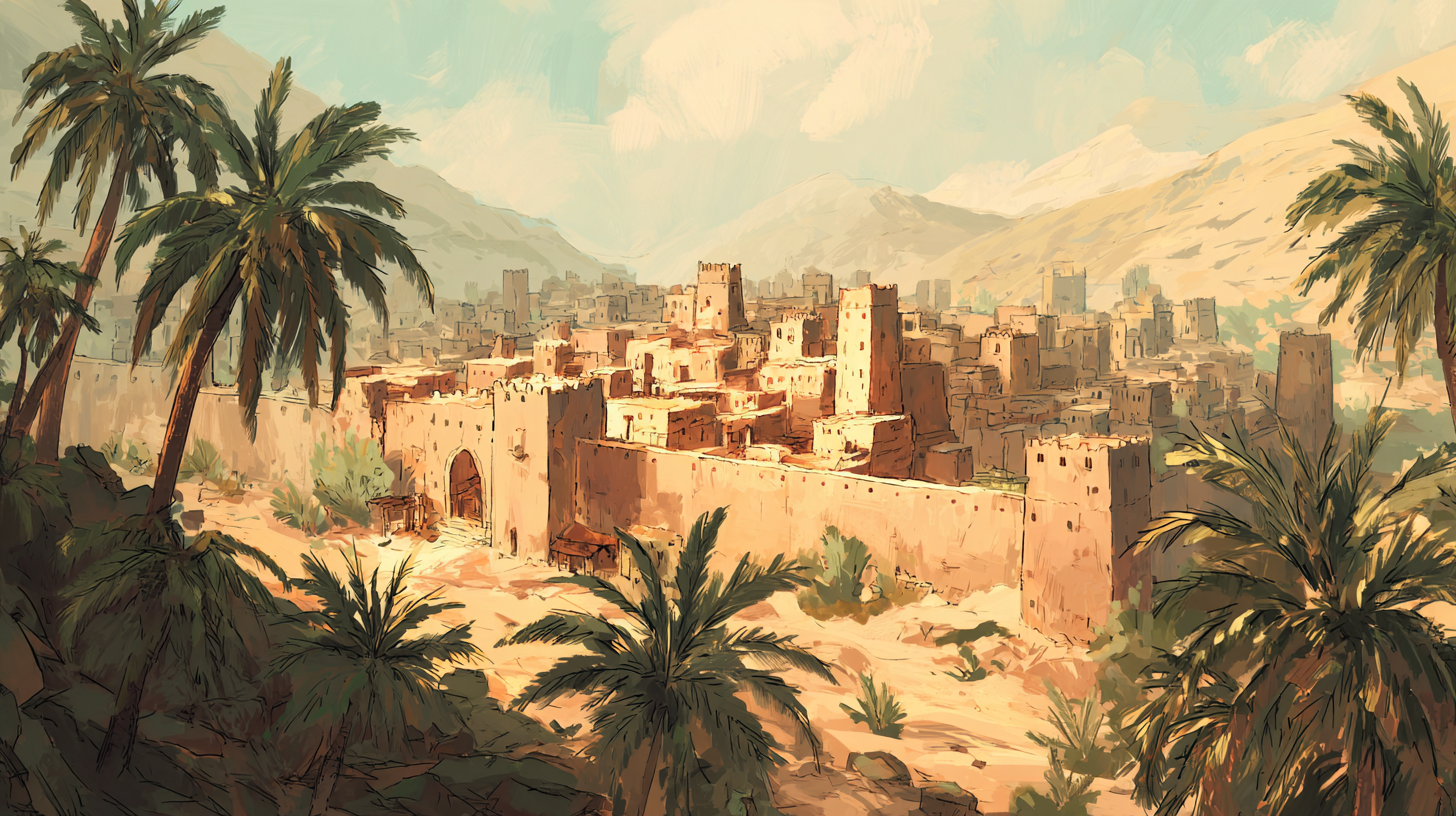
Yemen is also a country of ancient cities, distinctive architecture, literature, agriculture, maritime trade and strong regional traditions. Community organizations have an important role in presenting this broader story to Canadians.
Because Ottawa is Canada’s capital, Yemeni residents also have opportunities to participate in advocacy and draw attention to humanitarian, immigration and foreign-policy issues affecting Yemenis in Canada and abroad. Organizations such as Friends of Yemen have worked to bring concerns affecting Yemeni Canadians to the attention of the federal government while also showcasing Yemeni culture in Ottawa.
## Contributing to Ottawa’s Future
The Yemeni community is still developing its institutions and public presence. Its future will depend on stronger organizations, youth involvement, professional networks and cooperation with other communities.
There is also room for more cultural festivals, educational programs, business networks and initiatives supporting women, young people, seniors and newcomers. Recording the stories of early Yemeni residents would help preserve a history that might otherwise be lost.
The growth of the Yemeni community reflects Ottawa’s broader evolution into a more diverse and internationally connected city. Yemeni Canadians are not simply preserving traditions from another country. They are building businesses, pursuing education, supporting neighbours and helping shape the future of the city they now call home.
Their story is still being written. It is a story of migration and hardship, but also one of resilience, family, cultural pride and belonging. As the community becomes more established, it will continue to add its own voice, history and character to the multicultural fabric of Ottawa.